
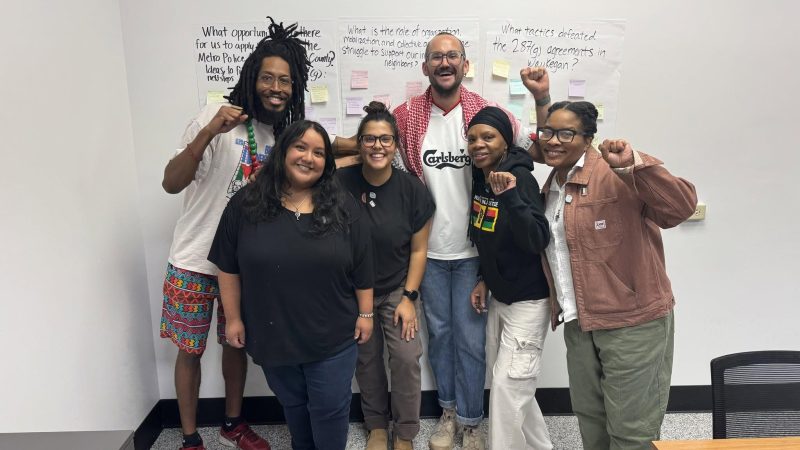
With Election Day approaching on Tuesday, Nov. 3, we’re highlighting the Flint Alliance for Immigrant Rights (FAIR), a coalition working to ensure immigrant families in Flint and Genesee County have the information, legal support and community connections they need. CFGF has funded and partnered with the Arab American Heritage Council, a founding member of the coalition, on its efforts to build coordinated immigration support.
We spoke with Lucine Jarrah, Arab American Heritage Council executive director and FAIR member, about FAIR's work, the strengths of local immigrant communities and what this election season means to the coalition.
How would you describe FAIR's work to someone hearing about you for the first time?
"The Flint Alliance for Immigrant Rights (FAIR) is a coalition that was created with the intent to unite people and organizations around the struggle for immigrant justice. The coalition brings together community organizations, legal advocates, health providers, faith institutions, educators, and many more. FAIR’s public education emphasis helps improve community understanding of how harmful policies and broader systems of oppression shape our lives, how different struggles for justice and liberation are connected, and how people can move from learning and reflection toward collective action and power building."
What are you hearing from immigrant families in Flint and Genesee County right now, and how is FAIR responding?
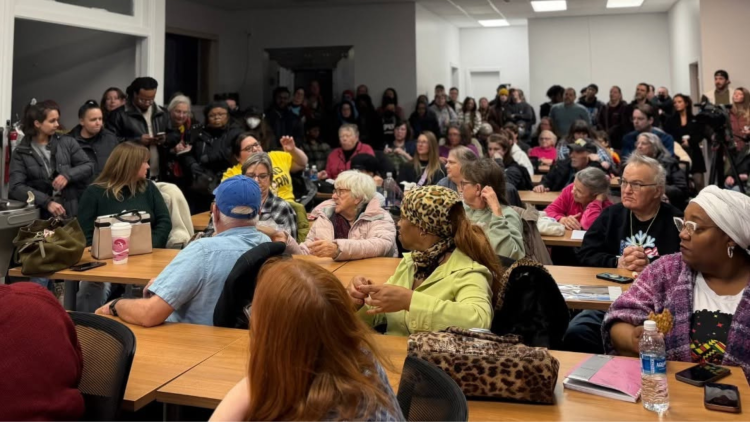
"There is so much fear and uncertainty. Our neighbors have a lot of questions about what changes in immigration policy mean for them and their families, what they can do to stay safe, and how they should be planning for their futures in such a precarious environment. FAIR’s response has been multifaceted and focused on ensuring that we are a trusted voice in the community by strengthening and sustaining the infrastructure and relationships that allow us to respond to urgent needs.
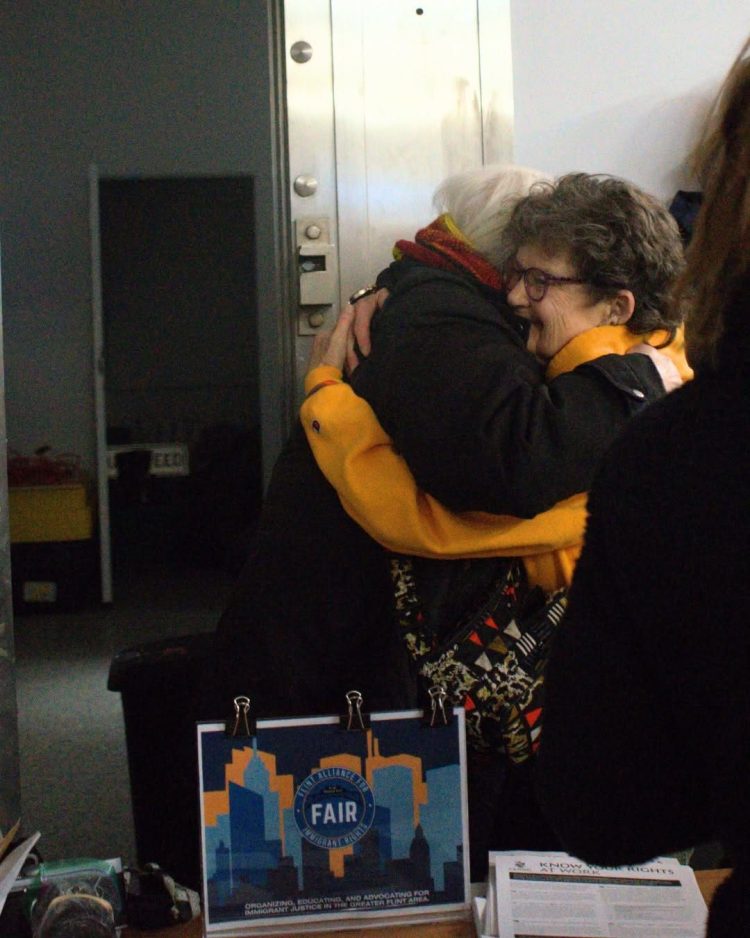
We have been expanding our Know Your Rights education, securing legal representation for clients, connecting folks to community services/resources, and creating spaces where people can ask questions and learn. In the backdrop of all this, we have also been committed to creating space for our public education and advocacy work to grow. This is essential for those in the movement to recognize immigrant justice as part of an interconnected struggle for justice and liberation."
What strengths do you see in Flint and Genesee County immigrant communities that others might overlook?
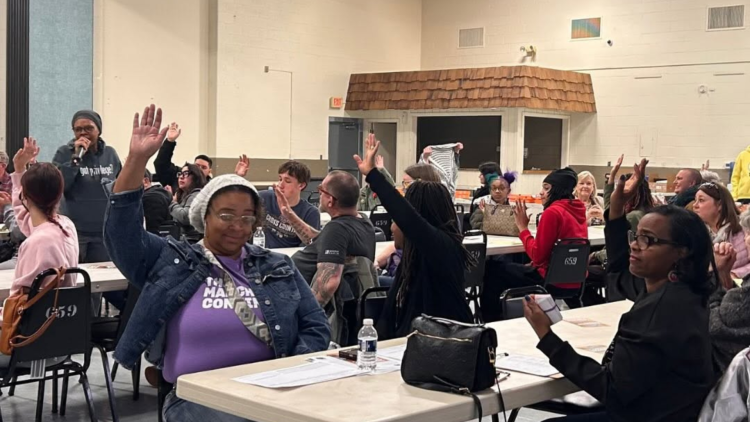
"There are so many obvious strengths we can talk about when it comes to our immigrant communities. These communities bring incredible knowledge, innovation, leadership, culture, and so much more. I would also encourage us to talk more about the underlying love and care that our immigrant neighbors embody, and that they are constantly reminding us of in this moment. It is the kind of love and care that makes solidarity, collective power, reimagination, and action possible.
As we learn from and alongside our immigrant neighbors, I have seen the ways this movement has embraced a spirit of interdependence that is both contagious and impactful. This is already being modeled in other organizing spaces as well. The attitude has shifted- we are not waiting for the same forces of power to fail us again. We are motivated to fight for and build the world we know is possible."
What resources does FAIR offer for people who want to get involved, register to vote, or learn their rights?
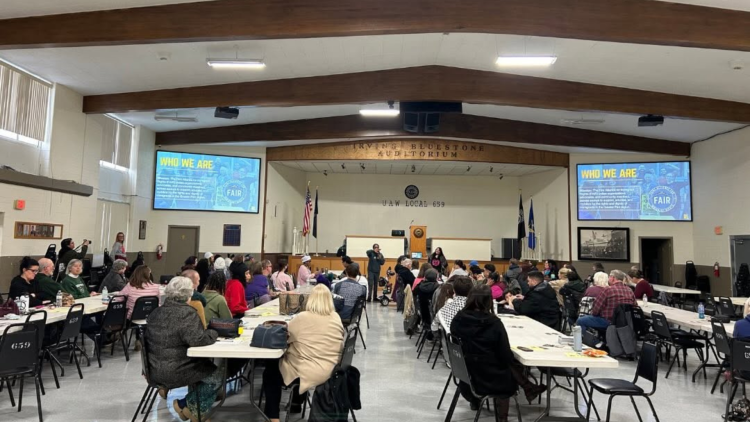
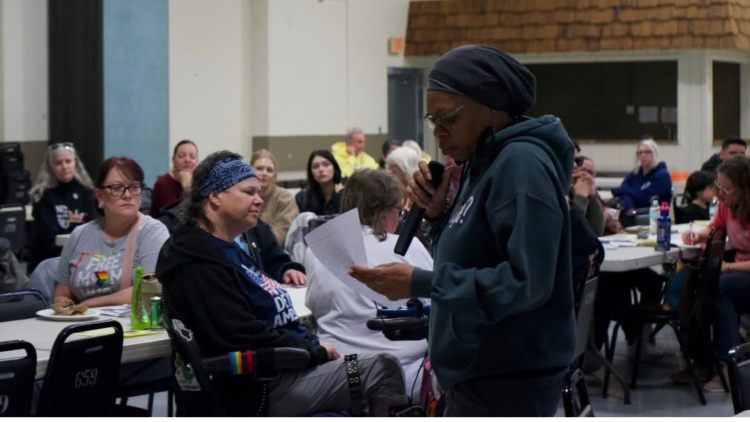
"Through the coalition, we have established a rapid response network to support individuals and families facing detention, deportation, and other urgent threats to their safety. We are also able to connect people with accessible Know Your Rights information, available community services, and other resources needed for immediate support. A big part of our work is political and public education. We want people to understand not only what is happening, but why it is happening and how issues like immigration enforcement, detention, surveillance, policing, and incarceration are connected to broader systems of oppression.
We hold regular teach-ins where people can learn about the changes to immigration policy as well as other major issues affecting our communities. Ultimately, our goal is to move people from learning to action and to build the collective power our communities need to advocate for themselves and for one another.
The Arab American Heritage Council (AAHC), a founding member of the coalition, has played a pivotal role in making sure we are doing everything we can to encourage civic and democratic participation. In addition to training poll challengers to work the poll on election day, they are also constantly sharing resources to ensure voters are informed and are making a plan to vote. They are also distributing voter guides in English, Spanish, and Arabic that provide information on how to check your registration, voting before election day, language accessibility, and much more."
What does this election season mean to FAIR, and is there anything else you want people to know?
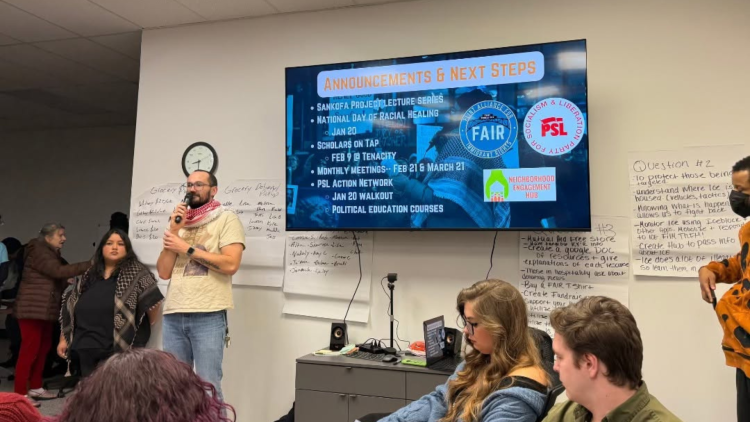
"This is about much more than one election. The power we are cultivating does not begin and end with one election. We want folks to understand that the systems, structures, and policies affecting our communities don't just exist in a vacuum. They are interconnected and they are shaped by decisions at every level of government.
We have to keep organizing, building relationships, educating ourselves and one another, showing up for our neighbors, holding institutions accountable, and making our voices heard. This is the work of our movement, and it is the work that will continue to be at the forefront of our mission. Every day we are navigating forces that benefit from our cynicism, isolation, and powerlessness. But we want people to join us in choosing the opposite. We want people to choose community over everything. To choose hope. To choose connection. To choose collective power. This is what we make possible through FAIR ."
Connect with FAIR and make a plan to vote
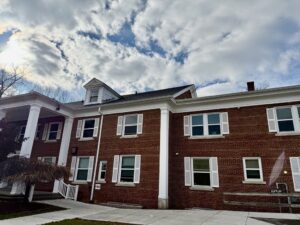
To learn more about FAIR, attend a teach-in or request Know Your Rights materials, visit their social media pages. Voter guides in English, Spanish and Arabic are available at the Arab American Heritage Council office at 416 N. Saginaw St. Suite 200. Flint, MI 48502. Michigan voters can check their registration, find their polling place and learn about early voting at Michigan.gov/Vote.