
As winter is now in full effect, community organizations across Genesee County are working together to ensure every resident has a safe, warm place to stay. At the forefront of this effort is the Shelter of Flint, where leaders Linda Bielskis, President & CEO, and Shelly Hoffman, Vice President & COO, are helping shape a more coordinated, compassionate, and people-centered response to rising housing instability.
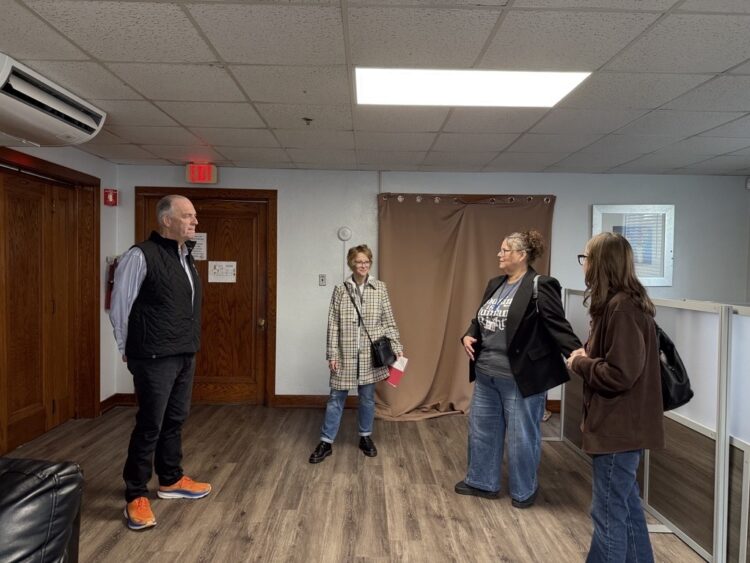
CFGF staff recently met with Bielskis and Hoffman to discuss the current housing reality in Flint and what the community can do to help.
Here’s what you should know.

Warming Center
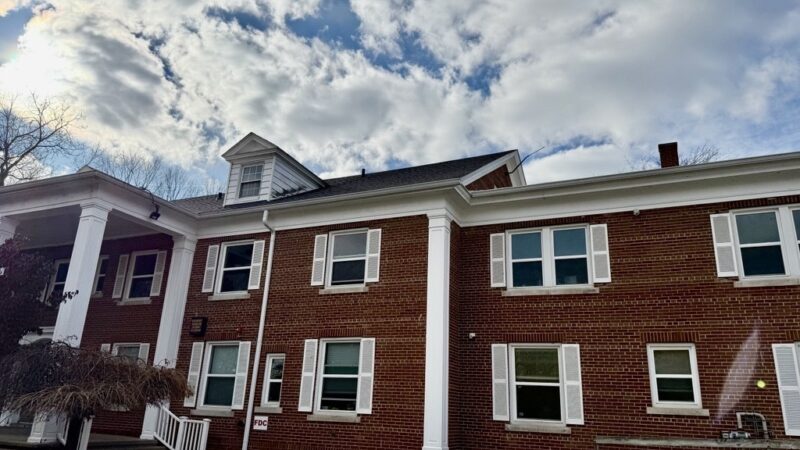
This year, the Shelter of Flint is opening its basement as a warming center for women and children, providing overnight refuge from December through March. “We are opening on December 1st in our basement. So, things are a little different here than they usually are,” Hoffman explained. The center will serve up to 47 women and children each night, with the potential to expand if needed.
Rising Need
The need for shelter in Flint is growing rapidly. “The year-over-year point in time count that measures the number of people experiencing homelessness in our community is a 36% increase,” Hoffman noted.*
Local shelters are feeling the strain as more families and individuals seek safe shelter and stay longer while waiting for permanent housing options.
These numbers reflect not personal failures, but the lack of affordable housing, chronic health needs, and systemic gaps that make it more difficult for people to have a long-term home.
And still, service providers continue to adapt by stretching resources, forming new partnerships, and meeting people where they are.

Funding Cuts and Policy Shifts
A major concern for the Shelter of Flint and similar organizations is the shift in federal funding. The U.S. Department of Housing and Urban Development (HUD) is moving away from permanent supportive housing, which has been a lifeline for many, toward transitional housing with stricter requirements.
“The administration is moving away from permanent supportive housing, even though it is the gold standard in keeping people housed,” Hoffman said.
Hoffman expressed concern that these changes may leave behind residents with disabilities, chronic health conditions, or caregiving responsibilities that make rapid transitions or work requirements difficult.
These shifts are not yet final, but local organizations are closely monitoring them, advocating equitable solutions, and exploring ways to fill emerging gaps.
Administrative and Staffing Challenges
Shelters are also navigating increased administrative requirements without corresponding increases in funding. As regulatory requirements grow, organizations are forced to do more with less, putting additional strain on already stretched teams.
“The funding models that we have in place don’t really support the administrative portion of the work,” Bielskis explained.
Even so, staff continue to prioritize dignity, safety, and individualized care for every guest who walks through the door.
How the Community Can Help
Community members continue to play a meaningful role in supporting residents experiencing homelessness. Hoffman and Bielskis emphasized the importance of:
- Advocacy: Staying informed about federal and state housing policies and speaking up for programs that meet people’s real needs.
- Donations: New sheets, pillows, and body wash are especially helpful, along with financial contributions to sustain daily operations.
- Awareness: Understanding that homelessness is a community issue—and that solutions grow stronger when more people engage.
A Call to Action
While the challenges are significant, so is the resilience across Genesee County. Addressing homelessness requires a mix of compassion, policy advocacy, and sustainable investment, and the community continues to show up in all three areas.
To learn more or support the Shelter of Flint, visit their website or connect directly with staff.
*The annual Point-in-Time (PIT) Count is an annual effort conducted by trained staff and volunteers to count individuals experiencing homelessness. As of publication, 2025 PIT data has not yet been publicly released by HUD; the referenced 36 percent increase reflects preliminary, unpublished data.