
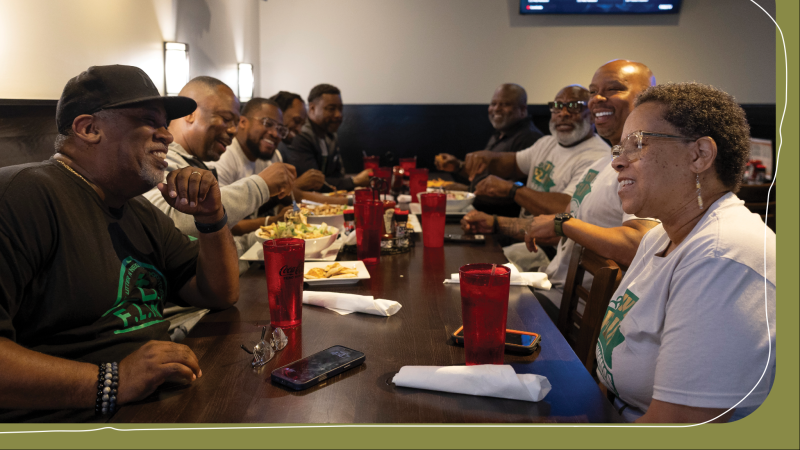
In 2025, a cohort from Flint traveled to Seattle, Washington for a Citizens University gathering and came home with a methodology called Civic Saturday. In partnership with the Community Foundation of Greater Flint, they launched Civic Flint — grassroots events where residents lead conversations about what matters most to their city. Patrick McNeal, director of the North Flint Neighborhood Action Council, reflects below.
Damon Ross (DR): Tell us about yourself and your work in Flint.
Patrick McNeal (PM): Born and raised on the north side of Flint — 48505, the poorest zip code in our community. I grew up in a community that knew how to love, and that wished to be loved. It’s been about 10 years with the North Flint Neighborhood Action Council. We exist to literally raise up community voice — finding the balance between what community desires and what others are trying to put on it.
DR: What is civic health, and why does it matter in Flint?
PM: Civic health wraps around the need for community to understand what it needs to do to be fully participating in democracy. The word democracy comes from demos — the people. A lot of people just simply quit participating in the process. They say, “them folks down there are going to do what they do.” Active citizenship is finding your space in what you can do — not everything, but something to better the community in which you live in. Without the voice of the people, democracy can’t work.
DR: How did Civic Flint come together?
PM: We didn’t want your normal people who get to attend these types of trainings. We wanted grass-top leaders — people who don’t even know that they’re leaders. Some of them were not even paid while we were there, but they believed in the work enough to lose the pay. And then I watched brothers who knew others had lost pay begin to pick up tabs for each other. That’s what can happen if we create the environments for it to take place.
DR: What happens at a Civic Saturday?
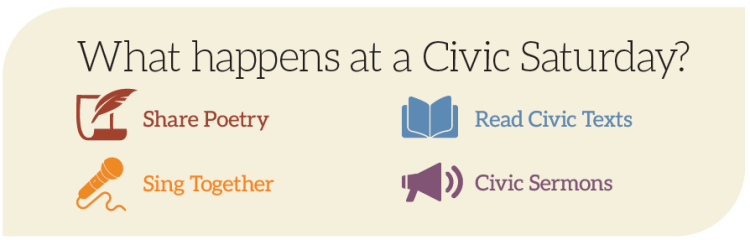
PM: It would be a church service — that’s the most thing I could equate it to. There are artistic readings, songs sung together, and a civic sermon. Then we have conversation around small things people could do right now, not next week, not when you get some funding. You could go check on your neighbor. Anything you can do to get to know your neighbor makes our community a better place.
DR: What gives you hope about civic engagement in Flint?
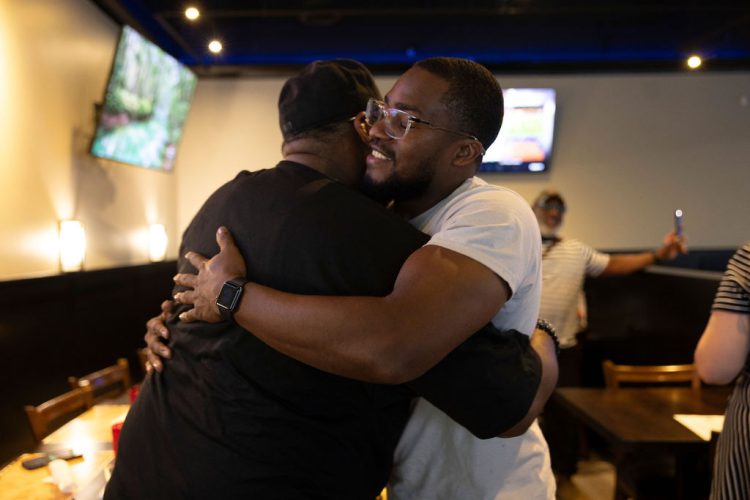
PM: What gives me hope is I get to work every day for the best people in the world. What we’re learning is that we can come together and do great things. Everybody may not be at that table, but as long as everybody is at some table — we all are going to eat, and we are all going to do something good.
Listen to the conversation
Listen to the full conversation with Damon Ross and Patrick McNeal on our Philanthropy Speaks podcast.